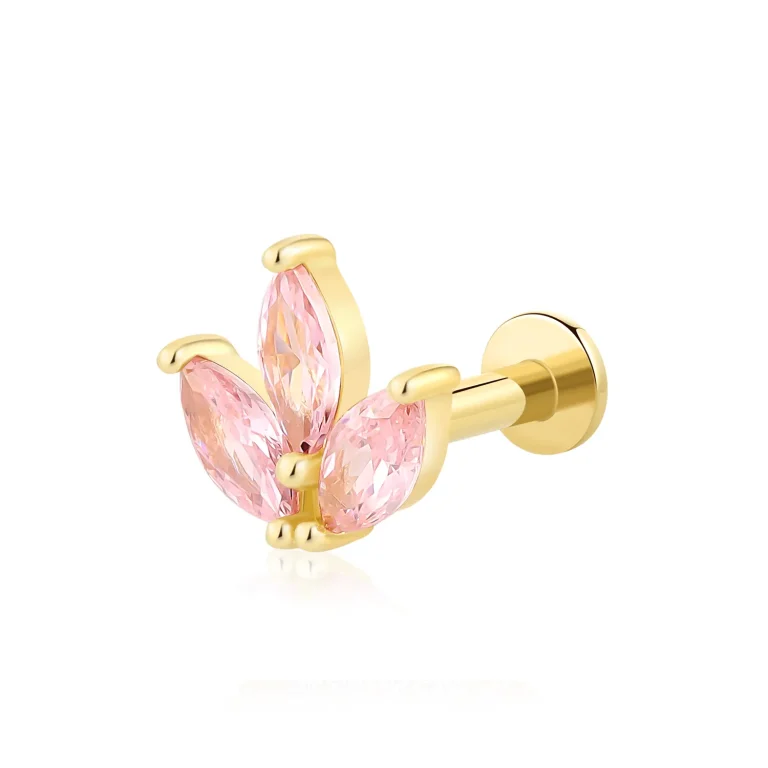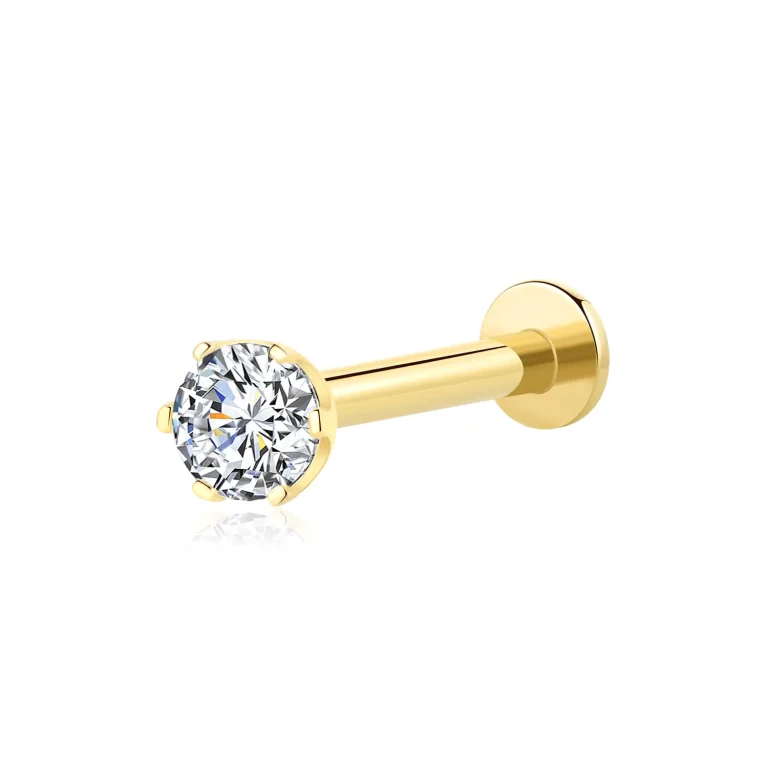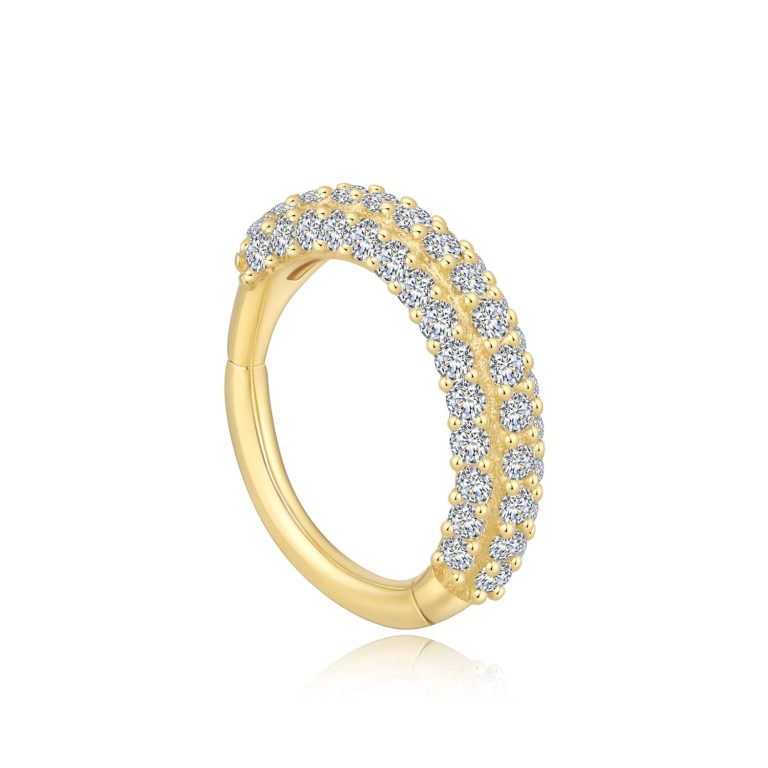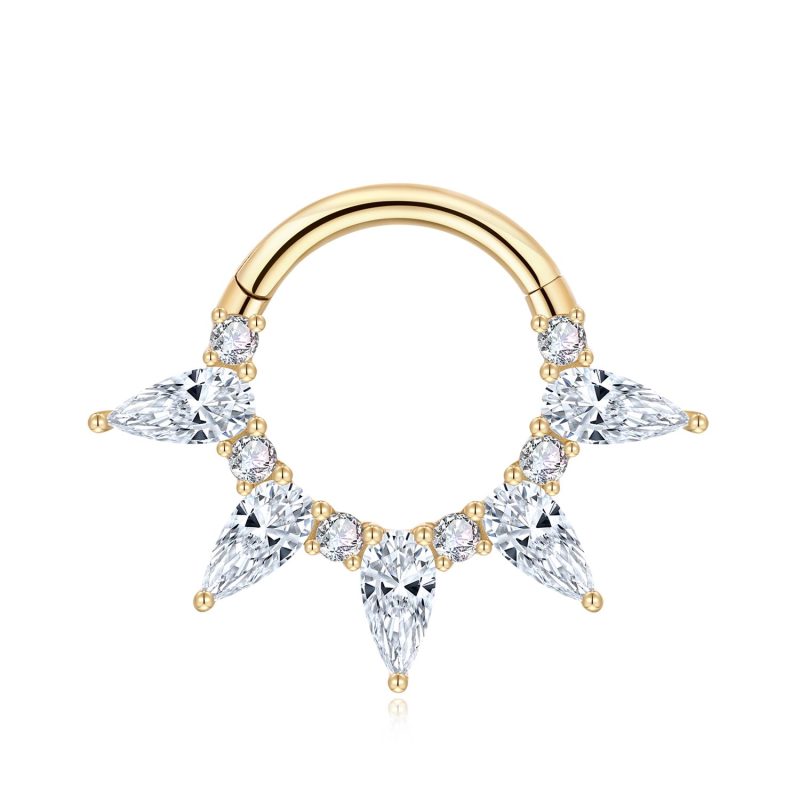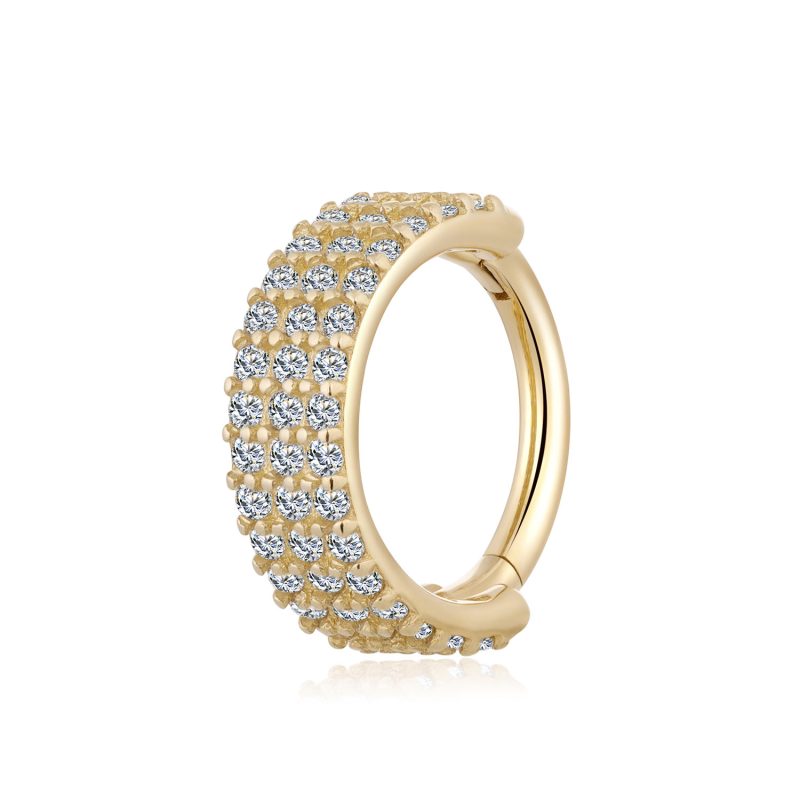
14KソリッドゴールドCZボディジュエリーヒンジ付きセグメントリング
1 x
$1,084.29
-
+
In this time of popular trends and quick rewards, the pull to handle things yourself, particularly with body changes, feels strong. Those “DIY nose piercing” videos seem fast and simple, offering a cool new style without the cost of a pro. However, under that short video hides a risky truth. For shops, piercing experts, and anyone who cares about body art safety and good quality, grasping the big gap between a relaxed home try and a trained process is key. This gap affects not only the look, but also long-term health and the strength of your jewelry choice.
The basic answer, for nearly all people, is a firm no. Sure, the thought of cutting costs sounds nice, but the dangers tied to unskilled, unclean, and body-unaware self-piercing are not small. They are serious, possibly lasting, and way bigger than any money saved. You would not do your own tooth work, so why handle a touchy face piercing in the same loose way? At its core, the split comes down to know-how, cleanliness, and exactness, three areas where a home kit falls short every time. Let us explore what goes wrong, and usually does, when beginners try to poke their own soft nose area.
When you do a piercing at home, you create more than a hole; you cause a real tissue hurt without the right checks in place, and that is where the first danger jumps high.
Picking a trusted, certified piercer does not count as a luxury; it serves as a must-do part of smart body changes. You pay for a clean space and loads of targeted, expert practice.
Now that you picked the wise path with a pro piercer, the following big move is choosing solid jewelry. This goes past mere looks; it concerns what you put forever into an open cut. The build of the jewelry you select ties straight to how well your recovery goes. For everybody, from the first buyer to the seller of pieces, seeing the worth in top materials like 14K solid gold proves vital. High-quality options not only shine brighter but also support smoother healing by reducing common issues like redness or itching that plague lesser choices. In the end, pairing expert piercing with reliable jewelry creates a foundation for lasting satisfaction and style that everyday alternatives simply cannot match.
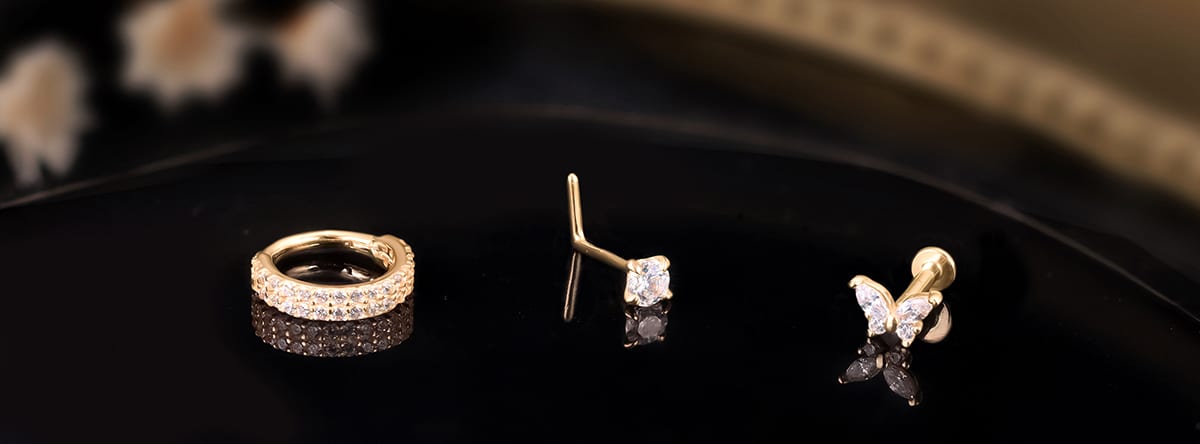
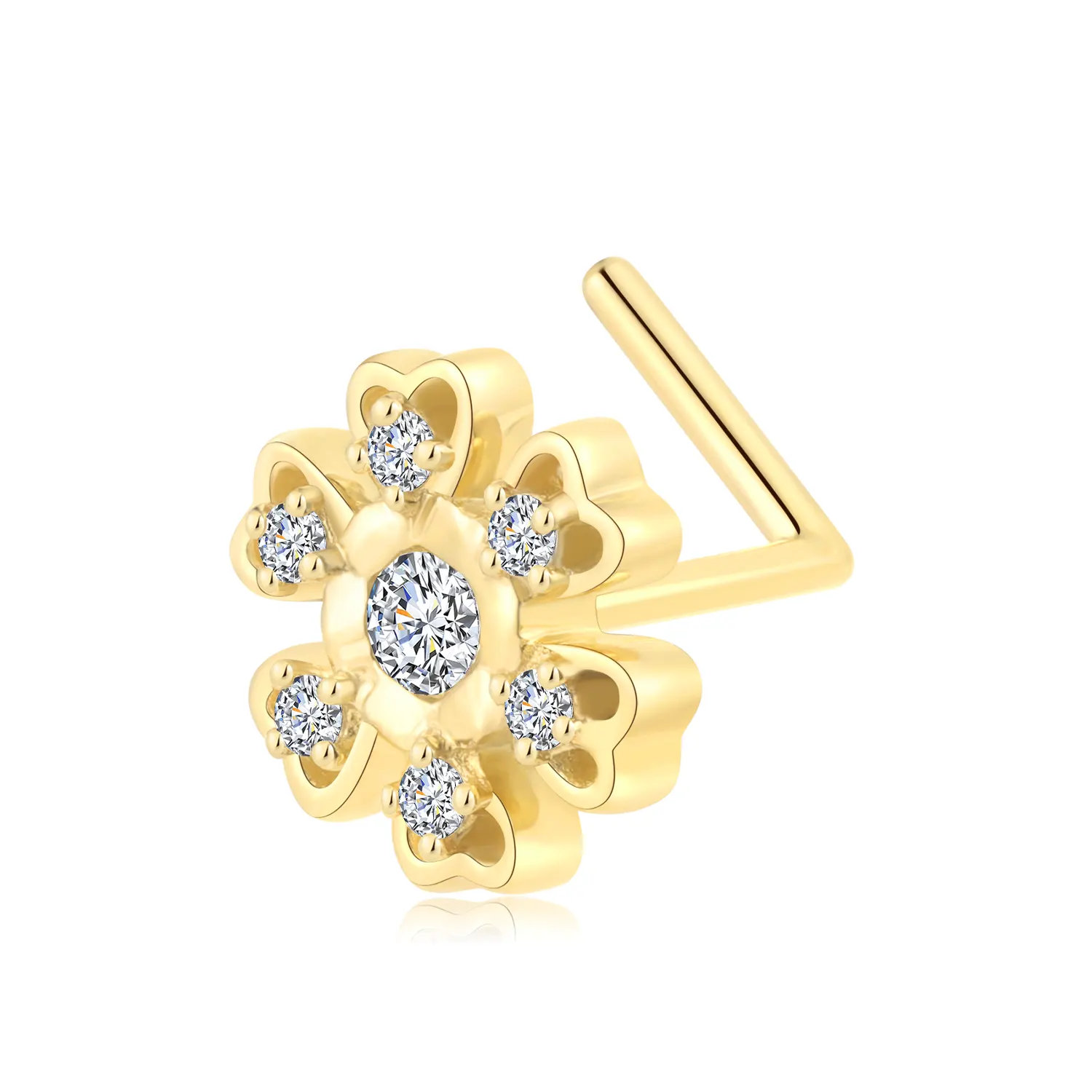
Reference Product Spotlight: Look at our 14K Solid Gold L Shape Nose Ring with CZ Flower and Heart Petal Design. An L-shape works best after the first mend time, yet the material acts as the real guard. Your piercer starts with a safe base stem, and when you shift to this, you lock in the strength of your set piercing with fine, non-clashing solid gold that holds color and form through years.
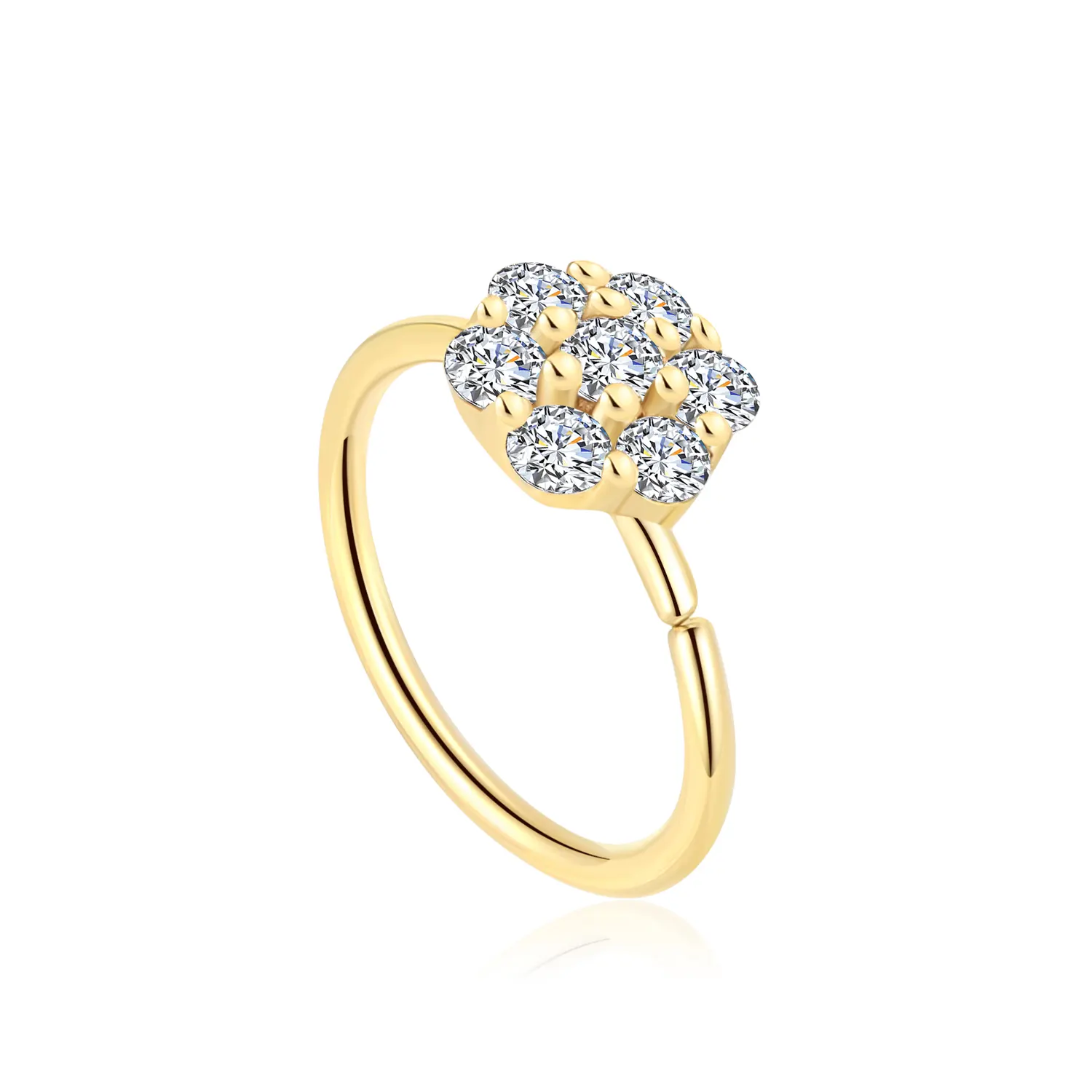
Reference Product Spotlight: Think of the 7つのCZストーンを備えた14Kソリッドゴールドシームレスリング. This style shows top build for a healed spot. The “seamless” part means no clear hinges or bumpy joins to snag on clothes or sheets, and the tight-set CZ stones keep a flat shape, stopping bother and germ traps. Picking a carefully shaped item like this picks lasting ease and guard.
A nose piercing counts as a spend: the hours, the unease, the pro cost, and the final jewelry buy. Why put all that at risk with bargain stuff that might bring germs, force removal, or an ugly response? Going for strong, lasting materials like 14K gold keeps your piercing well, pretty, and lively for years ahead. It sets apart a short add-on from a forever bit of art you wear. Beyond that, quality jewelry holds its worth, letting you swap or add pieces without worry, turning your initial choice into something that grows with your style over time.
In the end, deciding to pierce stays a private call, but the way you do it should never rely on luck. Honor your body, put money into trained skill, and lock in your ongoing ease and flair with top, skin-friendly solid gold jewelry. By making these smart steps, you not only avoid common pitfalls but also build a positive experience that encourages others to follow suit in safe, professional body art.
A:The top starting jewelry usually means a clean, inner-threaded stem from implant-grade titanium or 14K/18K solid gold. These stay still and cut down on bother. The form often picks a straight stem like a labret stud or a short bent barbell, since they handle early swell better than a snug loop. GPFジュエリー‘s 14K solid gold posts are a premium choice once the first mend lets you change, but the opening piece must always get checked and placed by your trained piercer. This approach ensures everything starts right, setting up for a strong finish without early setbacks.
A:A regular nostril piercing needs about six to nine months for full mend, even if the outer part sets in a couple weeks. You must wait out this whole stretch before swapping jewelry. Septum spots mend quicker, in two to four months. All through this spell, right salt-water wash and avoiding touching the jewelry stay musts to block bumpy marks and germs. Sticking to these habits makes the difference between a smooth path and drawn-out issues, so patience pays off in the long run.
A:Sterling silver reacts fast to body liquids and dampness. As time passes, it dulls and rusts in the path, staining the skin and piercing black or deep gray. This rusting irks a lot and can mark the skin for good, called argyria. 14K solid gold, on the flip side, reacts none, dulls not, and fits bodies well, making it a much better and safer pick for any fresh or mending body spot. Its steady nature means fewer worries during key healing days, leading to cleaner results overall.