The daith piercing has grown in fame over recent years, serving not only as a style choice but also because of stories about possible health gains. Yet, before you decide to get this eye-catching cartilage piercing, it helps to grasp the whole story—from its exact spot on the body to popular myths and care tips after getting it.
A daith piercing goes through the deepest inner fold of cartilage in the ear—right at the crux of the helix, located just over the ear canal. This spot creates a unique and sharp look, which draws in people who want different body art options. Since it rests deeper than many surface ear piercings, it shows up in a quiet but strong way.
This kind of piercing has moved past its small following and now appears often in planned ear designs. Its style flexibility lets people pick both strong and simple jewelry, so they can adjust the appearance to fit their own taste.
Even though you might have come across such ideas, no real scientific proof exists right now to back up daith piercings as a fix or cure for migraines. The thought spread quickly from personal stories and online chatter, but doctors warn against counting on it for handling ongoing migraine problems.
Myth Debunked: Talk about the missing scientific proof. While certain people mention feeling better after the piercing, these examples probably come from the placebo effect—a mental response where faith in a method’s power can bring about felt changes in symptoms.
You need to view health ideas with doubt and put your health first. Important Note: Always talk to a doctor for migraine care. A daith piercing makes a great style pick, but it should never take the place of medical migraine treatments given by health experts.
Before you set up your session, think about both the looks it brings and the real-life factors. A daith piercing does not suit every person—it calls for steady care and the ability to handle some unease while it mends.
Let’s begin with the good sides. The daith piercing gives a strong but polished style that works well with many ear looks. It also lets you change things up once healed, so you can show your character with different jewelry picks like hoops or curved barbells.
On the other hand, it ranks as one of the tougher ear piercings in terms of pain because of its spot in firm cartilage. The mending time drags on too, usually lasting 6 to 9 months—or more if you skip proper care. Dangers like infections, bumpy scars from irritation, or even shifting can happen if you do not manage it well.
Thus, even as it boosts your look a lot, get ready for the effort and waiting it needs.
How much pain you feel differs for each individual, but in general, daith piercings score higher on the pain level than simple lobe or edge cartilage piercings. The cartilage feels thick and full of nerves, so you will sense the needle passing through for sure.
When it comes to mending, plan for at least 6 to 9 months. In this period, good cleanliness matters a great deal—washing with saline solution and keeping away from dirty hands or phones can stop problems. Handling or turning the jewelry without need can bring in germs and slow down the fix.
GPF 보석 Mention: Stress the importance of top-notch, skin-friendly materials like 14K solid gold for starting and finished jewelry to cut down on bother. Picking quality items proves key in this stage. GPF’s range of 14K solid gold body jewelry provides safe and allergy-free choices that work well for new and settled piercings.
Though daith piercings stay mostly safe when experts do them, they carry some risks. Usual problems cover:
To lower these chances, steer clear of touching your piercing except when washing it, stick to your piercer’s care tips without fail, and choose fine jewelry from trusted places like GPF.
After your daith piercing mends—or right from the start if you pick top materials—selecting the best jewelry mixes creativity with smart choices.
One of the main keys to good mending (and good looks) lies in the material’s worth. Why gold beats coated metals for body piercings. Gold coating can peel away as time goes on, showing inner metals that might spark allergies or infections.
The allergy-free and tough build of 14K gold. On the other side, 14K solid gold stays allergy-free, strong, and free from dulling—making it a leading pick for fresh and mended piercings both.
GPF focuses on fine 14K solid gold body jewelry that looks good and comes from skilled work. Our collection stems from close care in details and a firm promise to high standards.
Daith piercings usually get decorated with:
Each one brings its own style perks. Clickers make handling easy with their snap part; seamless rings give a clean view; captive bead rings stand as time-tested picks; curved barbells fit the body shape better.
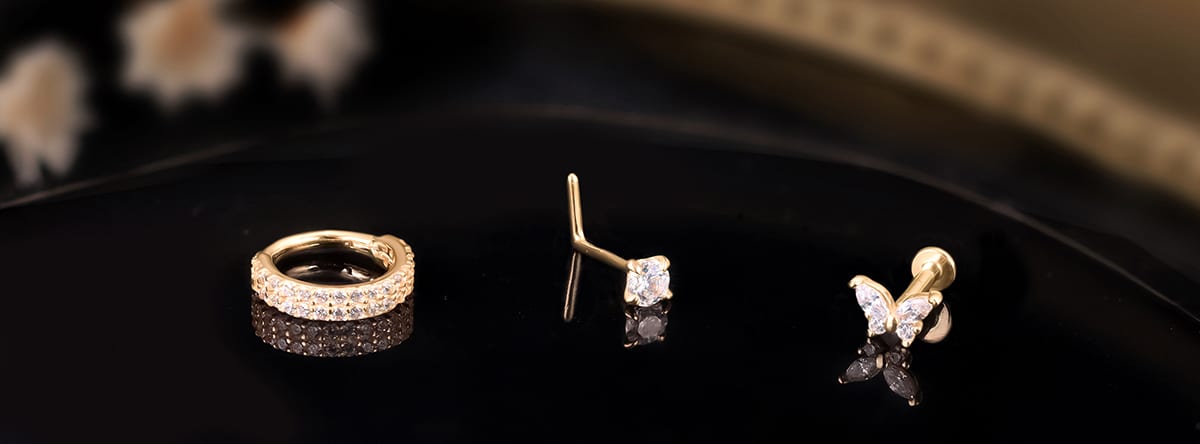
Let’s point out two great GPF choices that fit daith piercings well:
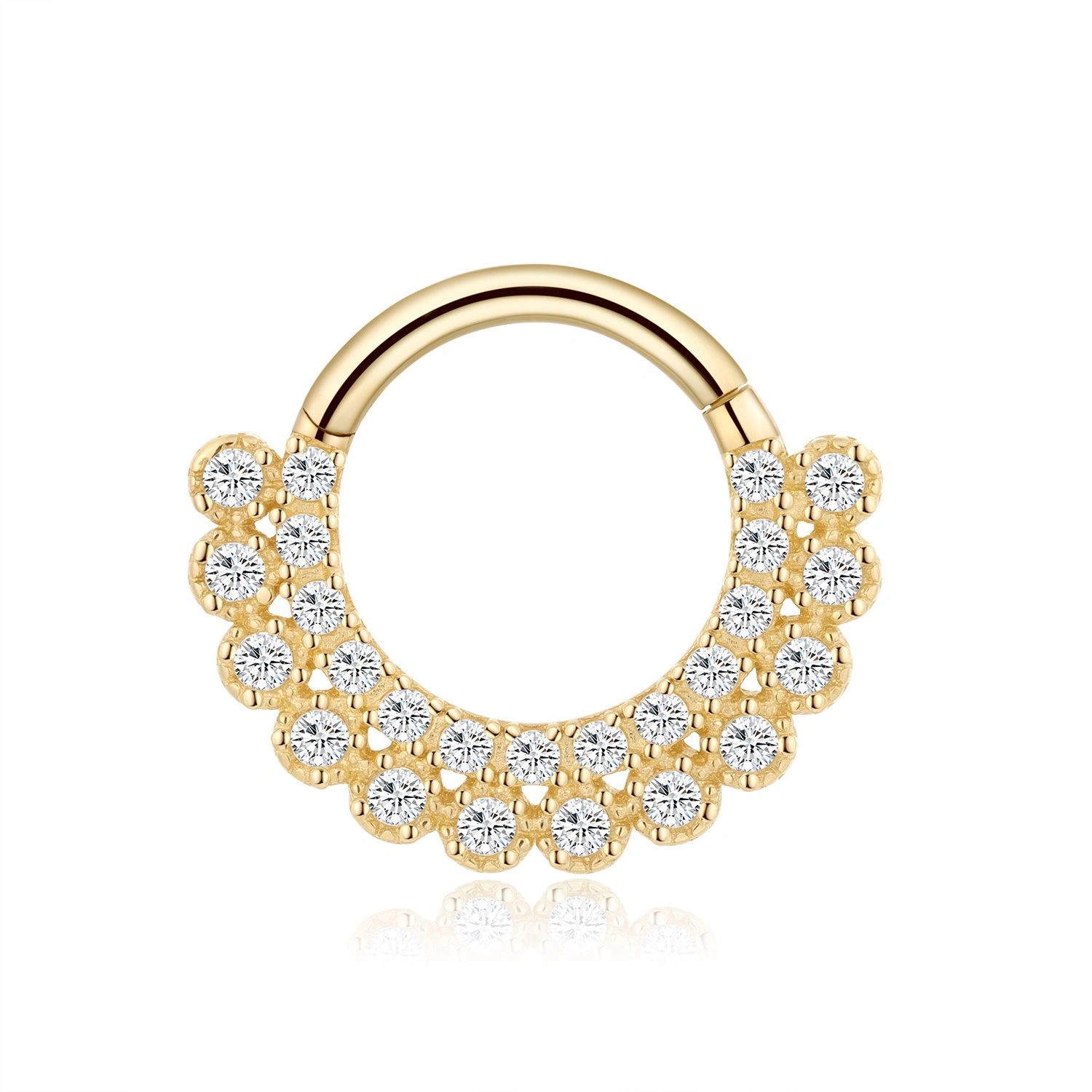
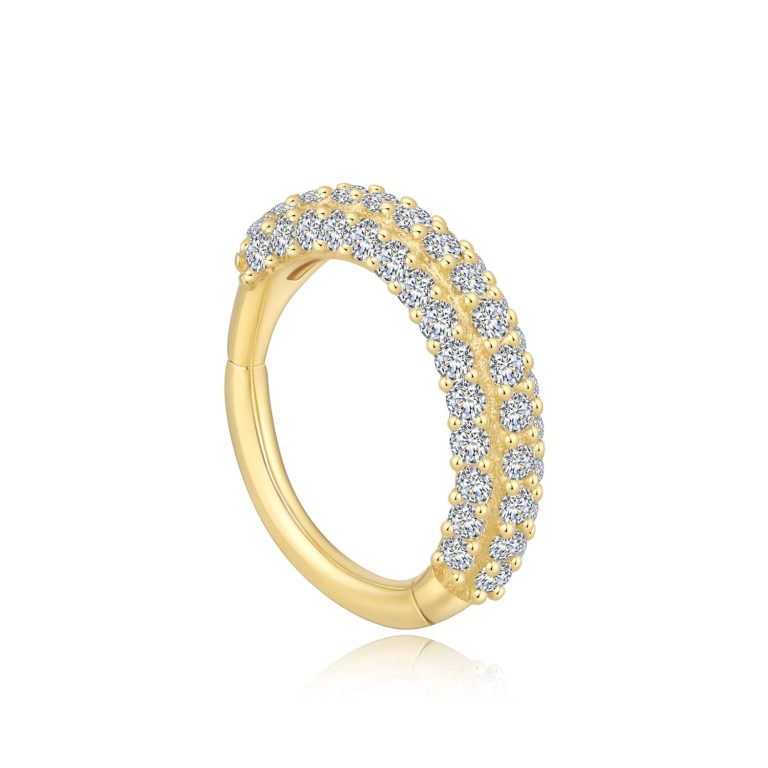
그만큼 14K Solid Gold CZ Septum Clicker Body Piercing Hoop Ring suits those who want bright shine. It has a snap shut that makes putting it in easy and without worry—an key point since daith spots prove hard to reach.
Value Point: Simple snap shut, shiny cubic zirconia touches, good size range (works in septum/helix too).
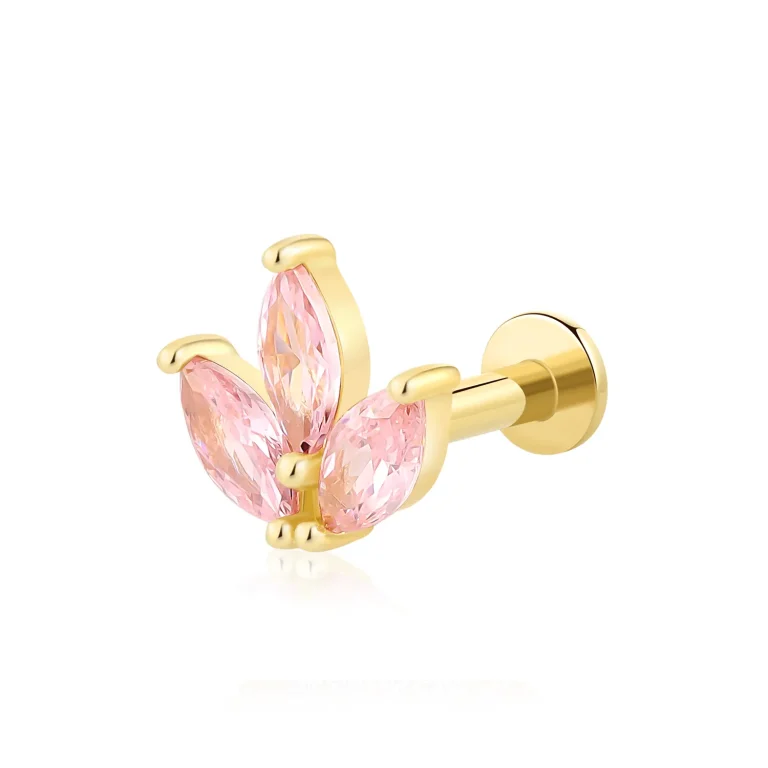
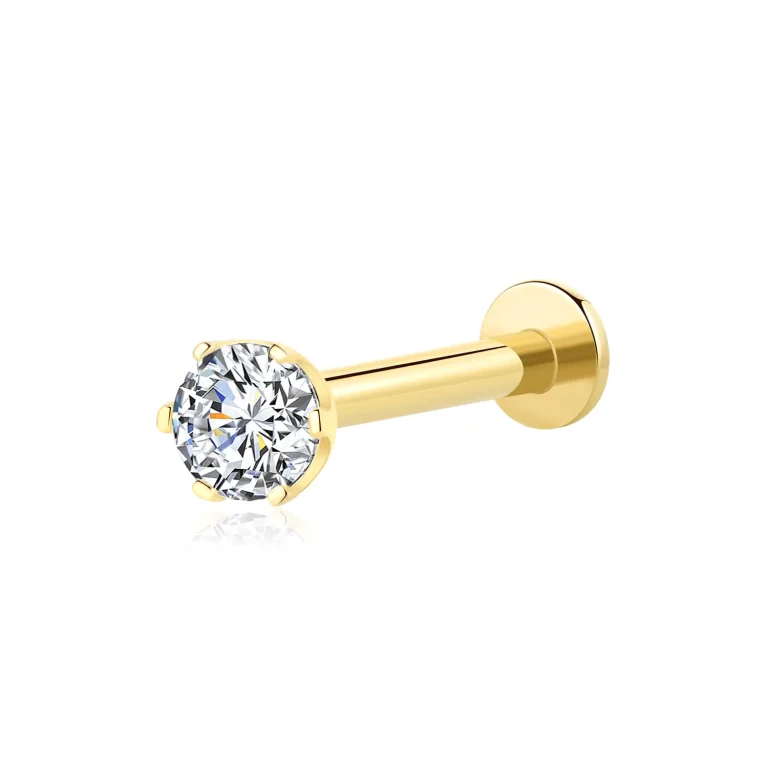
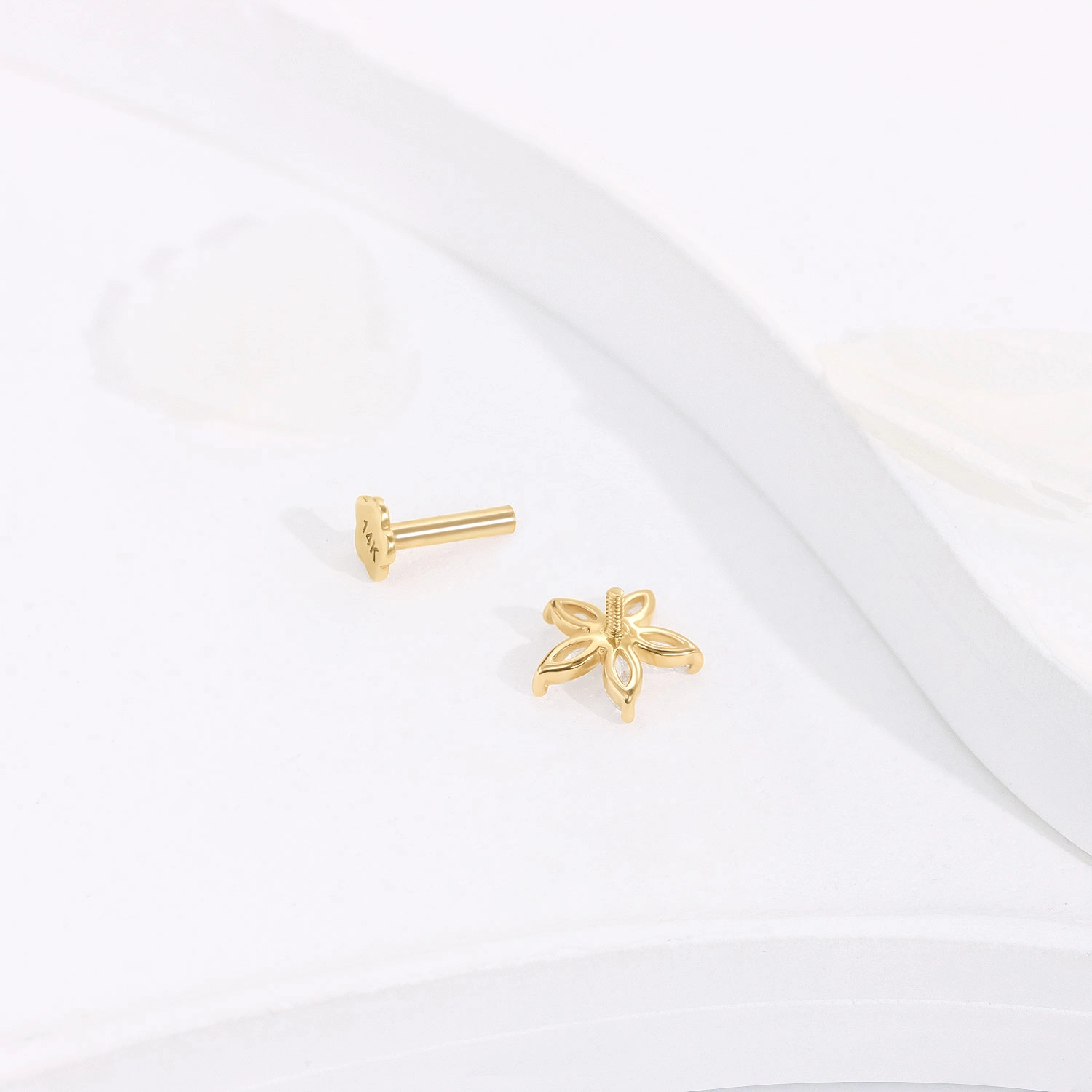
For folks who like quiet grace, try the 14K 솔리드 골드 CZ 꽃 바디 피어싱 래렛 스터드. Its flat back setup feels very comfy—even at night—and the small flower CZ part adds a soft touch of beauty.
Value Point: Flat back (labret) setup stays comfy for daily wear and rest, detailed CZ flower top brings gentle charm, fits nearby cartilage spots like the Tragus or Conch.
1. Can I wear any type of earring in my daith piercing?
No. Because of its place and mending steps, stick to skin-safe materials such as 14K solid gold or titanium—most of all while it heals.
2. How soon can I change my daith jewelry?
Hold off at least 6 months before swapping jewelry and only if no signs of sickness or bother show. Always check with your piercer first.
3. Do I need professional help to insert or remove daith jewelry?
For new folks or while healing, yes—it pays to see an expert to avoid hurt or wrong setup that might slow mending or bring troubles.
By picking quality materials from reliable sellers like GPF—a firm with more than 15 years honing the craft of making solid gold body jewelry—you put money into not just looks but also safety and lasting joy.